EN
EN
 FR
FR DE
DE IT
IT JA
JA KO
KO PT
PT ES
ES TL
TL TH
TH

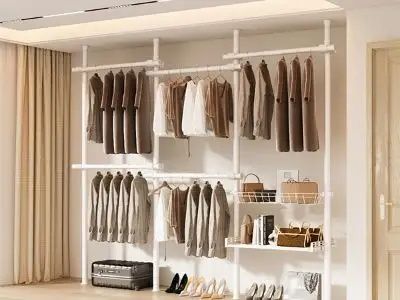
As the demand for efficient storage solutions increases, modular closet organizer systems for residential and commercial projects have emerged as a versatile option. These systems provide customizable storage solutions that can adapt to varying space requirements and styles. For B2B buyers, understanding the nuances of these systems is crucial, especially when considering factors such as material quality, specifications, and potential application challenges. This article will guide you through the key considerations for selecting modular closet organizers, ensuring you make informed purchasing decisions
How to Choose the Right Modular Closet Organizer System for Your Project
Selecting the appropriate modular closet storage organizer system involves assessing several key factors. First, consider the intended application—whether it's for residential use, such as homes and apartments, or commercial settings like retail spaces and offices. Each environment has unique requirements that can significantly influence your choice
Next, evaluate the available space. Measure the dimensions of the closet or area where the organizer will be installed. Modular systems offer flexibility in design, allowing you to choose components that fit your specific dimensions and needs
Additionally, think about the materials used in the construction of the organizer. High-quality materials will ensure durability and longevity, which is essential for both residential and commercial applications. For instance, organizers made from engineered wood or metal provide strength and stability, while lightweight options like plastic may be suitable for less demanding environments
Finally, assess any customization options available. Many manufacturers, like Shandong Yijiale Smart Home Technology Co., Ltd., offer OEM/ODM services that allow you to tailor the system to your specific requirements, including color, finish, and configuration
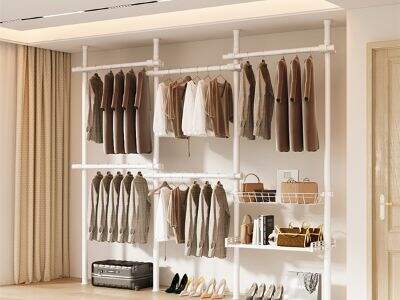
Key Specifications of Modular Closet Organizer Systems for Wholesale Buyers
When purchasing modular closet organizer systems in bulk, several specifications should be closely examined
Dimensions: Ensure the dimensions of each component align with your project requirements. This includes width, height, and depth, as well as the overall layout configuration
Load Capacity: Understanding the weight-bearing capacity of shelves and rods is vital, particularly in commercial applications where storage needs may be heavier than in residential setups
Material Composition: The choice of materials affects not only the aesthetic appeal but also the functionality and durability of the organizers. Look for materials that provide a balance between quality and cost
Finish and Color Options: A variety of finishes can enhance the visual appeal of the organizers, making them suitable for different environments
Assembly Method: Drill-free options are often preferred for ease of installation and for minimizing wall damage. Verify if the systems can be easily assembled by your team or require professional installation
Certifications and Compliance: Ensure the products meet relevant industry standards and certifications, such as ISO9001, which guarantees quality management practices
Cost Factors to Consider When Purchasing Modular Closet Organizers in Bulk
Cost considerations are crucial when planning to purchase modular closet hanging organizer in bulk. Here are some key factors to keep in mind
Material Costs: The type of materials selected will significantly impact the overall price. Higher-quality materials may have a higher upfront cost but can offer better durability and longer service life
Customization Fees: Customization can add to the cost, especially if specific dimensions or finishes are required. It’s important to discuss customization options with your supplier upfront to understand potential additional costs
Shipping and Handling: Factor in shipping costs when calculating the total expenditure. Items shipped in larger quantities may benefit from reduced shipping rates
Volume Discounts: Many manufacturers, including Shandong Yijiale, offer discounts on bulk orders. Be sure to inquire about these opportunities when negotiating your purchase
Installation Costs: If professional installation is necessary, include these costs in your budget as well. Some modular systems are designed for easy DIY installation, which can save on labor costs
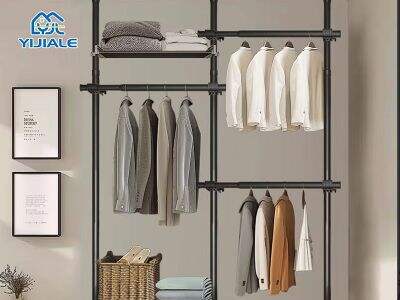
Common Problems with Modular Closet Organizers and Their Solutions
While modular closet organizers offer many benefits, potential issues can arise. Here are some common problems and their solutions
Incompatibility with Space: Sometimes, even well-measured components may not fit as planned. To avoid this, always double-check measurements and consider the installation environment, including any obstructions or irregularities in the space
Material Durability: Some lower-quality materials may not withstand heavy use. Opt for organizers made from robust materials and verify their load capacity before purchase
Installation Challenges: If the installation process is complicated, it can lead to delays and additional costs. Choose systems that come with clear instructions and ensure your team is adequately trained for assembly
Limited Customization Options: If the available options do not meet your specific needs, discuss customization possibilities with your supplier to tailor the product more closely to your requirements
Applications of Modular Closet Organizer Systems in Residential and Commercial Spaces
Modular closet clothes storage organizer systems are versatile and can be applied in various settings
Residential Use: In homes, these systems can optimize closet space in bedrooms, hallways, and entryways. Customizable configurations allow homeowners to create a cohesive look while maximizing storage
Commercial Use: Retail environments benefit from modular systems that can adapt to changing inventory needs. They can be used for clothing displays, storage of supplies, or even in offices for organizing documents and equipment
Multi-Unit Residential Buildings: In apartment complexes, standardized modular closet systems can be installed to ensure uniformity across units while allowing for individual customization based on tenant preferences
Educational and Institutional Facilities: Schools and universities can use these systems in dormitories or shared spaces, providing students with flexible and functional storage solutions
Modular closet organizer systems present a practical solution for both residential and commercial projects. By understanding the key specifications, cost factors, potential problems, and applications, B2B buyers can make informed decisions that meet their specific needs
Table of Contents
- How to Choose the Right Modular Closet Organizer System for Your Project
- Key Specifications of Modular Closet Organizer Systems for Wholesale Buyers
- Cost Factors to Consider When Purchasing Modular Closet Organizers in Bulk
- Common Problems with Modular Closet Organizers and Their Solutions
- Applications of Modular Closet Organizer Systems in Residential and Commercial Spaces