EN
EN
 FR
FR DE
DE IT
IT JA
JA KO
KO PT
PT ES
ES TL
TL TH
TH

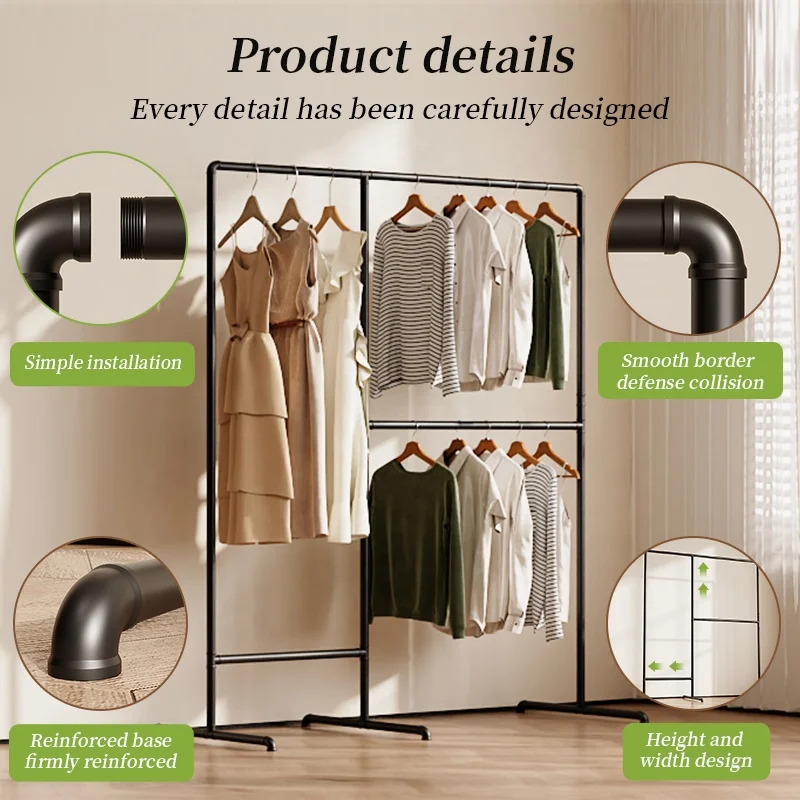
Heavy-duty clothes racks are essential for retail stores and garment facilities, providing durable and reliable support for displaying and organizing clothing. For B2B buyers, such as purchasing managers and store owners, the decision to invest in these Yijiale display clothing racks involves various considerations, including load capacity, material quality, and customization options. This article aims to guide you through the selection process, ensuring you make informed decisions that align with your operational needs.
How to Choose the Right Heavy-Duty Clothes Rack for Your Store?
Selecting the right heavy-duty clothes rack starts with understanding your specific needs. Consider the following factors:
Load Capacity: Evaluate the weight of the garments you intend to display. Heavy-duty racks typically support between 200 to 800 pounds, depending on their construction. For example, racks made from thicker steel or reinforced tubing offer higher weight capacities.
Material Quality: Look for racks made from high-quality materials such as stainless steel or heavy-duty powder-coated steel. These materials not only ensure durability but also resist rust and corrosion, making them suitable for various environments.
Design and Configuration: Assess the layout of your store or facility. Different designs, such as single-bar, double-bar, or garment rods, cater to different display requirements. Ensure the design complements your store's aesthetic while maximizing space efficiency.
Customization Options: Many manufacturers, like Shandong Yijiale Smart Home Technology Co., Ltd., offer OEM/ODM customization. This means you can tailor the racks to fit specific dimensions, colors, or branding needs, enhancing your store's visual appeal.
Mobility Features: If you plan to frequently change your display setup, consider racks with wheels or casters. This feature adds flexibility and allows for easier repositioning without straining your staff.
Comparing Heavy-Duty Clothes Rack Options for Bulk Purchasing
When evaluating heavy-duty clothes racks for bulk purchasing, it’s vital to compare various options based on several criteria:
Pricing and MOQ: Understand the pricing structure for bulk orders. Manufacturers often provide discounts for larger quantities. Shandong Yijiale can handle monthly capacities of 600,000 sets, allowing for competitive pricing. Always inquire about the minimum order quantity (MOQ) and any associated costs with shipping and delivery.
Product Specifications: Compare the specifications of different racks, such as dimensions, materials, and load capacities. Ensure you have technical data sheets for each option to assess performance and compatibility with your requirements.
Supplier Reputation: Research potential suppliers' reputations in the market. Consider factors such as years of experience, quality certifications (like ISO9001), and customer reviews. A reliable supplier will provide consistent quality and timely deliveries.
Lead Times: Inquire about lead times for bulk orders. This is crucial for inventory planning and ensuring you have the necessary racks available when needed.
Customization Capabilities: If specific branding or design features are necessary, ensure the supplier can accommodate these requests within your timeline. Effective communication with suppliers will facilitate a smoother purchasing experience.
Ensuring Quality in Heavy-Duty Clothes Racks
Quality assurance is paramount when purchasing heavy-duty clothes racks. Here are key points to ensure the racks meet your standards:
Material Inspection: Before finalizing your order, inspect the materials used in the racks. Heavy-duty steel should be free from defects such as rust or uneven finishes. Request samples if possible to evaluate physical properties.
Manufacturing Processes: Understand the supplier's manufacturing processes. Look for suppliers that adhere to recognized quality management systems, which often include regular inspections and testing stages throughout production.
Certifications: Verify that the racks comply with relevant industry standards. Certifications like ISO9001 indicate adherence to quality management principles, while compliance with EU/US regulations ensures safety and reliability.
Testing Protocols: Inquire about the quality control processes in place. Quality testing should encompass load testing, durability assessments, and environmental exposure evaluations to confirm that the Yijiale clothing racks can withstand their intended use.
Installation Guidance for Heavy-Duty Clothes Racks in Garment Facilities
Proper installation of heavy-duty clothes racks is crucial for safety and functionality. Here are some practical steps to follow:
Site Assessment: Before installation, assess the site where the racks will be placed. Ensure the floor surface can support the weight of the racks and the garments. Uneven or weak flooring may require reinforcement.
Assembly Instructions: Follow the manufacturer’s assembly instructions carefully. This may include using specific tools or hardware for proper installation. If the racks are modular, ensure that all components are correctly secured to prevent collapse.
Weight Distribution: Distribute weight evenly across the racks to avoid tipping. Do not overload one side, as this can compromise stability. Regularly check the rack setup, especially when changing displays or adding new inventory.
Safety Considerations: Install racks away from high-traffic areas to minimize the risk of accidental collisions. If applicable, use wall anchors for added stability, particularly for tall racks or those that will hold heavier items.
Cost Factors to Consider When Ordering Heavy-Duty Clothes Racks
When budgeting for heavy-duty clothes racks, consider several cost factors:
Material and Design: The choice of materials and rack design significantly influences the price. Heavy-duty options generally have a higher upfront cost due to their durability and load capacity. However, investing in quality can lead to long-term savings by reducing replacement frequency.
Custom Features: Customization, such as unique sizing or branding, may incur additional costs. Ensure you understand these implications early in the purchasing process to avoid surprises in your budget.
Shipping and Handling: Factor in shipping fees, particularly for bulk orders. Consider the distance from the manufacturer to your facility, as this can affect lead times and overall costs. Some suppliers may offer FBA labeling and strong inventory support to streamline logistics.
Maintenance Costs: While heavy-duty racks are designed for durability, maintenance still plays a role in long-term costs. Consider any potential maintenance or repair costs that may arise from wear and tear over time.
Lifecycle Costs: Evaluate the total lifecycle costs of the racks, including purchase price, maintenance, and potential replacements. A higher initial investment in quality racks can lead to lower costs over time due to their longevity and performance.
By considering these factors, you can ensure that your investment in Yijiale heavy-duty clothes display racks aligns with your operational needs and budget constraints.
Table of Contents
- How to Choose the Right Heavy-Duty Clothes Rack for Your Store?
- Comparing Heavy-Duty Clothes Rack Options for Bulk Purchasing
- Ensuring Quality in Heavy-Duty Clothes Racks
- Installation Guidance for Heavy-Duty Clothes Racks in Garment Facilities
- Cost Factors to Consider When Ordering Heavy-Duty Clothes Racks