EN
EN
 FR
FR DE
DE IT
IT JA
JA KO
KO PT
PT ES
ES TL
TL TH
TH

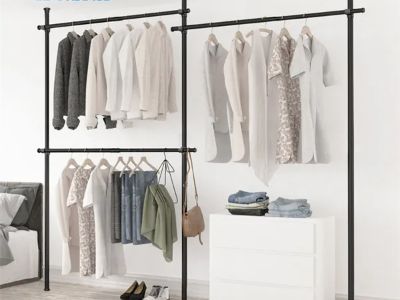
Understanding the role of closet rods in modular wardrobe systems is crucial for enhancing organization and maximizing space. These components are often overlooked, yet they are integral to the functionality and aesthetics of any wardrobe solution. For B2B buyers, the importance of selecting the right closet rods cannot be overstated, as they affect not only the wardrobe's usability but also the overall customer satisfaction. This article will delve into the various considerations and factors that influence the selection and evaluation of closet rods, providing insights to help buyers make informed decisions
What to Consider When Choosing Closet Rods for Modular Systems
When selecting closet rods for modular wardrobe systems, several key factors must be taken into account. Firstly, the rod's diameter and length should match the intended application and the available space within the wardrobe. Standard diameters typically range from 1 inch to 1.5 inches, which provide adequate strength and support for clothing items
Another critical consideration is the load capacity. Buyers should evaluate the weight of the garments that the rods will support to ensure they choose materials that can withstand the strain without bending or breaking. Additionally, the rod's mounting method—whether it is wall-mounted, ceiling-mounted, or free-standing—affects both installation and stability
Finally, aesthetic factors, such as finish and color, should align with the overall design of the wardrobe system. Customization options can help achieve a cohesive look that appeals to end-users, enhancing the wardrobe's marketability

How to Evaluate the Material Advantages of Closet Rods
The material of closet rods plays a significant role in their performance, durability, and overall appeal. Common materials include stainless steel, aluminum, and various types of plastics. Each material offers distinct advantages
Stainless steel rods are known for their strength and resistance to corrosion, making them ideal for environments with higher humidity, such as laundry rooms or bathrooms. Aluminum rods, on the other hand, are lightweight and resistant to rust, making them easier to install while still providing good strength. They can be particularly advantageous in modular systems, where frequent adjustments may be necessary
Plastic rods offer a cost-effective solution but may lack the strength and durability of metal options. However, they can be beneficial in light-duty applications or where aesthetic versatility is required. Buyers should consider the operational environment and customer preferences when evaluating material options
Cost Factors to Consider When Sourcing Closet Rods Wholesale
Cost is always a key consideration in sourcing metal closet rods for modular wardrobe systems. Several factors can influence pricing, including material choice, manufacturing processes, and order volume
For instance, stainless steel rods typically cost more than aluminum or plastic due to the higher material costs and more complex manufacturing processes. Additionally, customization options, such as specific finishes or lengths, can further increase the price
Buyers should also consider the manufacturer's minimum order quantity (MOQ) and production capacity. Higher order volumes may lead to lower per-unit costs, which can be a critical factor for distributors and retailers aiming to maximize profit margins. It's essential to request detailed quotations from suppliers that outline the cost breakdown to make an informed decision
What Buyers Need to Know
When sourcing closet rods, buyers should ensure they have a clear understanding of their requirements and expectations. This includes knowing the specific dimensions needed, the anticipated load capacity, and any customization preferences
Furthermore, it is vital to evaluate potential suppliers based on their manufacturing capabilities and quality control processes. Buyers should inquire about certifications, such as ISO9001, which indicates adherence to quality standards, and check for compliance with relevant safety regulations
Requesting samples before placing a bulk order is also advisable. This allows buyers to assess the rod's quality, finish, and suitability for their intended application. A thorough inspection of samples can prevent costly mistakes in mass production
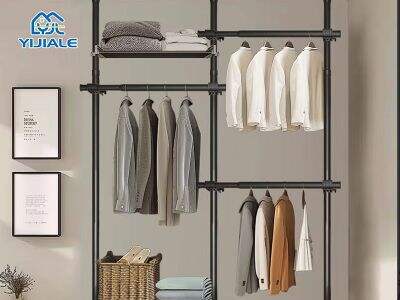
Benefits of Customization in Closet Rod Manufacturing for Buyers
Customization offers significant advantages for buyers in the closet rod market. By collaborating with manufacturers like Shandong Yijiale Smart Home Technology Co., Ltd., buyers can tailor products to meet specific needs. Customization can encompass various aspects, such as material selection, length adjustments, and surface finishes
One notable benefit is the ability to create unique designs that cater to specific market segments. For instance, high-end retailers may prefer rods with premium finishes that appeal to luxury consumers, while budget-conscious retailers might seek simpler, cost-effective options
Additionally, customized solutions can enhance brand recognition. By incorporating specific branding elements or unique features, buyers can differentiate their products in a competitive market
In summary, understanding the significance of closet rods in modular wardrobe systems is essential for making informed purchasing decisions. By considering factors such as material advantages, cost implications, and customization options, buyers can ensure they select the right products that meet their specific needs and enhance the overall functionality and appeal of their wardrobe solutions