EN
EN
 FR
FR DE
DE IT
IT JA
JA KO
KO PT
PT ES
ES TL
TL TH
TH

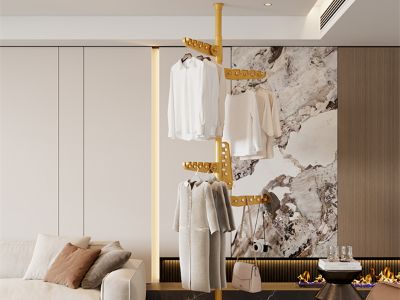
Sourcing commercial clothes racks for retail spaces requires careful consideration of various factors to ensure that the chosen products meet business needs. This article explores what to consider when sourcing commercial clothes racks for hanging clothes, addressing key concerns for B2B buyers such as quality, durability, customization options, and supplier evaluation. By gaining insights into these aspects, purchasing managers and product managers can make informed decisions that enhance their retail environments.
How to Compare Different Suppliers for Clothes Racks Effectively?
When evaluating suppliers for commercial clothes racks, start by assessing their experience and production capabilities. Look for manufacturers with a proven track record, such as Shandong Yijiale Smart Home Technology Co., Ltd., which boasts 20 years in the industry and a monthly capacity of 600,000 sets. This level of experience often translates into better quality control and innovation.
Next, consider the range of customization options available. Many buyers require tailored solutions to fit specific retail environments or branding requirements. Check if the supplier offers OEM/ODM services, which allow you to customize dimensions, finishes, and features according to your needs. Lastly, evaluate the supplier's certifications and compliance with international standards, such as ISO9001, REACH, and relevant patents. These certifications indicate a commitment to quality and safety, which is crucial when sourcing products for commercial use.
Installation Guidelines for Efficient Use of Clothes Racks
Proper installation of clothes racks is vital to ensure functionality and maximize space in retail environments. Begin by reviewing the installation instructions provided by the manufacturer. For instance, manufacturers like Shandong Yijiale provide detailed guidelines that can help streamline the process.
Before installation, assess the space where the racks will be placed. Ensure that there is adequate room for customers to browse while minimizing clutter. The clothes rack with shelves installation should be done in a way that allows easy access to the racks, promoting an organized and appealing display.
If the racks are drill-free, verify that the installation method is suitable for the wall type. Using strong adhesive solutions can provide stability without damaging the wall surface. Always check the weight capacity of the racks to avoid overloading, which can lead to safety hazards and damage.
Material Advantages of Commercial Clothes Racks for Durability
The materials used in the construction of commercial clothes racks significantly affect their durability and performance. Common materials include metal, wood, and plastic, each offering unique benefits.
Metal racks, often made from steel or aluminum, provide strength and stability. They are ideal for heavy garments and can withstand frequent use in high-traffic retail spaces. Additionally, metal racks can be coated or finished to enhance corrosion resistance, which is particularly important in environments exposed to moisture.
Wood racks offer aesthetic appeal and can create a warm, inviting atmosphere in retail settings. However, they may require more maintenance to prevent wear and tear. Ensure that the wood used is treated for durability and longevity. Plastic racks are lightweight and versatile, suitable for various retail applications. While they may not support as much weight as metal or wood, they are often more affordable and easier to move around as needed.
Common Problems with Clothes Racks and Effective Solutions
Despite their utility, clothes racks can encounter several common issues that buyers should be aware of. One frequent problem is instability, which can occur if the racks are overloaded or improperly installed. To mitigate this, always adhere to the manufacturer's weight limits and ensure that the installation is secure.
Another issue is wear and tear, especially for racks that are frequently moved or adjusted. Buyers should choose racks with robust materials and finishes that resist scratches and dents. For example, powder-coated metal racks tend to be more resistant to damage compared to painted alternatives.
Lastly, consider the ease of assembly and disassembly. Racks that require complex setups may lead to frustration and inefficiencies. Look for suppliers that provide easy-to-follow instructions and necessary tools, or opt for racks that are designed for quick assembly without compromising stability.
Applications of Clothes Racks in Various Retail Environments
Commercial clothes racks serve diverse functions across various retail environments. In clothing stores, they are essential for displaying merchandise in an organized manner. Wall-mounted racks can save floor space, while freestanding racks allow for flexible arrangements and easy access to goods.
In showrooms, clothes racks can be used to showcase collections, creating an appealing visual layout that encourages customer engagement. Retailers can also utilize racks for promotional displays, such as seasonal sales or new arrivals, making it easier to highlight specific items.
For boutiques, customized racks can enhance the brand's identity while providing an effective means of displaying merchandise. By working with manufacturers like Shandong Yijiale, retailers can obtain tailored clothes rack for home solutions that reflect their brand image and cater to their unique space requirements. Understanding these applications will help buyers choose the right racks for their specific retail situations, ensuring optimal functionality and customer satisfaction.
Table of Contents
- How to Compare Different Suppliers for Clothes Racks Effectively?
- Installation Guidelines for Efficient Use of Clothes Racks
- Material Advantages of Commercial Clothes Racks for Durability
- Common Problems with Clothes Racks and Effective Solutions
- Applications of Clothes Racks in Various Retail Environments