EN
EN
 FR
FR DE
DE IT
IT JA
JA KO
KO PT
PT ES
ES TL
TL TH
TH

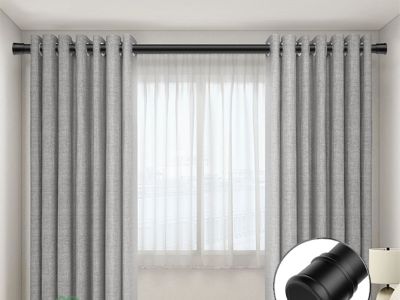
Electric curtains are an innovative solution that can seamlessly integrate with modern building control systems, enhancing both functionality and aesthetics. As a product that combines automation with design, electric curtains address key concerns for B2B buyers, such as compatibility, efficiency, and customization options. This article will guide purchasing managers, engineers, and product managers through the essential factors to consider when sourcing electric curtains, ensuring that they make informed decisions that align with their building automation strategies
Choosing Electric Curtains for Efficient Building Automation Solutions
When integrating electric curtains into building control systems, several critical factors must be considered. Firstly, compatibility with existing automation systems is paramount. Electric curtains should be able to interface with smart building technologies, including lighting, HVAC, and security systems. This allows for centralized control and enhances energy efficiency by optimizing natural light and temperature regulation
Moreover, the ease of installation plays a vital role. Buyers should look for systems that are drill-free, as this simplifies installation and minimizes damage to building structures. The availability of OEM/ODM customization options is also beneficial, enabling buyers to tailor the curtains according to specific building requirements
Lastly, the material and durability of electric curtains should not be overlooked. High-quality fabrics that resist fading and wear will ensure longevity and maintain aesthetic appeal in commercial settings. As leading manufacturers, such as Shandong Yijiale Smart Home Technology Co., Ltd., prioritize these aspects, it’s essential to evaluate suppliers based on their ability to meet these requirements

Key Specifications for Electric Curtains in Building Control Integration
When selecting electric curtains for integration with building control systems, certain key specifications must be evaluated
Motor Type: The motor's power and noise level are crucial for functionality. Opt for motors that are quiet and energy-efficient to ensure they don't disrupt the environment
Control Options: Electric curtains should offer various control methods, including remote control, smartphone apps, and integration with voice-activated systems. This versatility enhances user experience and convenience
Load Capacity: The curtains must be capable of handling the weight of the fabric and any additional features, such as blackout linings or thermal layers. Buyers should inquire about the maximum load specifications to ensure proper operation
Safety Features: Look for curtains with built-in safety mechanisms, such as automatic stop functions and child safety features, as these are particularly important in commercial environments
Power Source: Consider whether the curtains will be hardwired or battery-operated. Hardwired solutions typically offer more reliability, while battery-operated systems provide greater flexibility in installation
Understanding these specifications will empower buyers to choose electric curtains that not only meet their aesthetic preferences but also align with the technical requirements of their building control systems
Electric Curtains for Commercial Applications
Electric curtains are particularly advantageous in commercial applications. They can enhance the ambiance of offices, hotels, and conference rooms while providing functional benefits such as light control and privacy. In hotels, for instance, electric curtains can improve guest experiences by offering effortless light management, allowing guests to control their environment with ease
Moreover, in office settings, electric curtains can contribute to energy efficiency by automating light levels according to the time of day. This not only reduces the reliance on artificial lighting but also creates a more comfortable working environment. It’s important for buyers to consider the specific needs of their commercial spaces when selecting electric curtains, as different environments may require unique solutions, such as fire-resistant fabrics or specific color schemes to match branding
In addition, electric curtains can be integrated with smart energy management systems, providing real-time data on energy usage and contributing to sustainability goals, which is increasingly important for businesses today

Cost Factors to Consider When Sourcing Electric Curtains Wholesale
When sourcing electric curtains wholesale, buyers should take several cost factors into account to ensure they achieve the best value for their investment
Material Costs: The choice of fabric significantly impacts cost. High-performance materials may come at a premium but offer better durability and energy efficiency in the long run
Customization: Customized designs can increase costs, especially if unique features or materials are requested. It’s essential to balance customization with budget constraints
Quantity: Bulk orders often lead to lower per-unit costs, but buyers should confirm minimum order quantities (MOQ) with suppliers. Understanding the MOQ can help in planning procurement more effectively
Shipping and Handling: Consideration should be given to shipping costs, especially for international orders. Understanding the logistics and potential tariffs can help mitigate unexpected expenses
Installation Costs: While some electric curtain systems are easy to install, others may require professional installation, which can add to the overall cost. Buyers should evaluate the total cost of ownership, including installation and maintenance, when budgeting
By examining these cost factors, buyers can make informed decisions that align with their financial constraints while still meeting their operational needs
Where to Find Reliable Suppliers for Electric Curtains in Bulk
Finding reliable suppliers for electric curtains in bulk requires careful consideration and research. Here are some strategies to identify suitable manufacturers
Industry Directories: Utilize industry-specific directories and platforms where manufacturers list their capabilities and product offerings. This can help narrow down potential suppliers based on location, certifications, and product range
Trade Shows and Exhibitions: Attending trade shows provides an opportunity to meet suppliers face-to-face. Buyers can assess product quality directly, discuss customization options, and build relationships with potential partners
Online Marketplaces: Platforms like Alibaba or Global Sources can connect buyers with manufacturers worldwide. However, due diligence is essential to verify the legitimacy and reputation of suppliers
Referrals and Recommendations: Networking with industry peers can yield valuable recommendations for reliable suppliers. Personal experiences can help guide buyers to trusted manufacturers
Assessing Certifications and Quality Systems: Look for suppliers that hold relevant certifications, such as ISO9001, which indicates a commitment to quality management. Understanding a supplier’s quality control processes can provide confidence in their products
By leveraging these strategies, buyers can ensure they partner with manufacturers that meet their quality expectations and operational requirements, ultimately leading to successful integration of electric curtains into their building control systems
Table of Contents
- Choosing Electric Curtains for Efficient Building Automation Solutions
- Key Specifications for Electric Curtains in Building Control Integration
- Electric Curtains for Commercial Applications
- Cost Factors to Consider When Sourcing Electric Curtains Wholesale
- Where to Find Reliable Suppliers for Electric Curtains in Bulk