EN
EN
 FR
FR DE
DE IT
IT JA
JA KO
KO PT
PT ES
ES TL
TL TH
TH

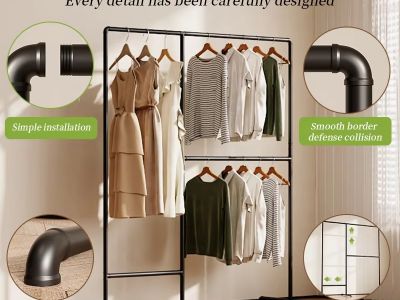
Closet organizers designed for high-density storage systems are essential tools for maximizing space in both residential and commercial environments. Understanding how these organizers are crafted can help buyers make informed decisions when sourcing for bulk orders or specific projects. This article will clarify the critical aspects of selecting, sourcing, and implementing high-density closet organizers, addressing the main concerns of purchasing managers and project leaders.
What to Consider When Choosing Closet Organizers for Bulk Orders?
When selecting closet organizers for bulk orders, several key factors require careful consideration. Firstly, assess the specific needs of your client or project. Are the organizers intended for residential use, or will they be deployed in a commercial setting? Understanding the intended application will guide material selection, design, and functionality. Next, consider the dimensions and capacity of the organizers. High-density storage systems often require precise measurements to ensure that the products fit within the allocated space. Buyers should confirm that the closet design can accommodate the anticipated load without compromising structural integrity. Additionally, evaluate customization possibilities. Many manufacturers, like Shandong Yijiale Smart Home Technology Co., Ltd., offer OEM/ODM services, allowing you to tailor products to meet specific design and functional requirements. This approach not only enhances customer satisfaction but can also provide a competitive edge in the marketplace by offering unique solutions.
Sourcing Quality Closet Organizers for Projects
Sourcing quality closet organizers involves researching potential suppliers and assessing their capabilities. Start by verifying the manufacturer’s experience and track record in producing high-density storage systems. Companies with a robust portfolio of similar products are typically better equipped to meet your specifications. Next, assess certifications and compliance with industry standards. Look for manufacturers with ISO9001 certification and compliance with international safety standards, such as REACH and relevant EU/US patents. These certifications indicate a commitment to quality and safety, which is critical when sourcing products for large projects. Moreover, consider the manufacturer's production capacity and lead time. For instance, with a monthly capacity of 600,000 sets, Shandong Yijiale is well-positioned to handle large orders efficiently. Understanding lead times can help you manage project timelines and avoid delays.
Technical Specifications of High-Density Storage Closet Organizers
The technical specifications of high-density storage closet organizers play a vital role in their functionality and durability. Key specifications to consider include:
Material: Common materials for closet organizers include metal, wood, and high-density polyethylene. Each material has distinct advantages; for example, metal offers enhanced durability, while wood provides aesthetic appeal. The choice of material should align with the intended use and load requirements.
Dimensions: Accurate dimensions are crucial for ensuring that the closet clothes fit seamlessly into the designated space. Pay attention to both the overall dimensions and specific component sizes, such as shelves and brackets.
Load Capacity: Each organizer should have a specified load capacity, which determines how much weight it can safely hold. This specification is particularly important for high-density storage systems that may need to accommodate heavier items.
Finish and Surface Treatment: The surface finish can significantly impact both aesthetics and durability. Consider options like powder coating for metal components, which can prevent corrosion and enhance longevity.
Buyers should ensure that these specifications align with their project requirements before placing orders.
Installation Guidance for Efficient High-Density Closet Organizers
Proper installation of high-density closet organizers is essential to maximize their effectiveness. Begin by reviewing the installation instructions provided by the manufacturer. It is advisable to have trained personnel conduct the installation, especially for larger systems that require precise alignment and secure anchoring.
Before installation, conduct a site assessment to identify any potential challenges such as uneven flooring or wall obstructions. This pre-installation inspection can help avoid complications during the assembly process.
Additionally, consider the use of drill-free installation options, which can simplify the setup and reduce the risk of damage to walls. Shandong Yijiale’s products, known for their drill-free design, offer a practical solution for many applications.
Finally, after installation, conduct a thorough quality check to ensure that all components are securely attached and functioning correctly. This step helps prevent potential safety hazards and enhances user satisfaction.
Cost Factors to Consider When Purchasing Closet Organizers Wholesale
When purchasing closet organizers wholesale, various cost factors must be evaluated to ensure you achieve the best value. Pricing can vary significantly based on material choice, design complexity, and customization options.
Material Costs: Higher quality materials may incur greater initial expenses but can lead to lower long-term costs due to durability and reduced replacement frequency. Assess the trade-offs between material costs and expected lifespan.
Customization Fees: While customized products can meet specific needs, they may also come with added costs. It’s essential to obtain clear pricing from suppliers regarding any additional fees associated with bespoke designs.
Shipping and Handling: Consider the logistics of transporting the organizers to your desired location. Shipping costs can fluctuate based on distance, weight, and packaging requirements. Ensure that you factor these costs into your overall budget.
Minimum Order Quantities (MOQ): Many manufacturers set minimum order quantities, which can influence your purchasing decisions. Understanding the MOQ can help in planning and budgeting for projects effectively.
By carefully analyzing these cost factors, buyers can make informed purchasing decisions that align with their budgetary constraints and project needs.
In summary, understanding the design, sourcing, specifications, installation, and cost factors associated with bedroom closet designed for high-density storage systems is crucial for making informed purchasing decisions. Buyers should focus on quality, functionality, and supplier reliability to ensure successful project outcomes.
Table of Contents
- What to Consider When Choosing Closet Organizers for Bulk Orders?
- Sourcing Quality Closet Organizers for Projects
- Technical Specifications of High-Density Storage Closet Organizers
- Installation Guidance for Efficient High-Density Closet Organizers
- Cost Factors to Consider When Purchasing Closet Organizers Wholesale